Charles River understands how important high-quality surgical models that meet exacting scientific and regulatory standards are to your research. Fifteen years ago, Charles River and the René Remie Surgical Skills Centre (RRSSC) joined their expertise to offer surgery training courses.
Held at the training centre in Almere, The Netherlands, the training is designed to be very practical. It combines lectures with hands-on exercises, ensuring you receive a comprehensive training experience.
The 3-day course objective is to build a strong foundation of knowledge and skills in rodent surgery. Participants can train on simple procedures (e.g., ectomies or specific injection techniques) and low- to mid-level models. It will include theory and hands-on sessions.
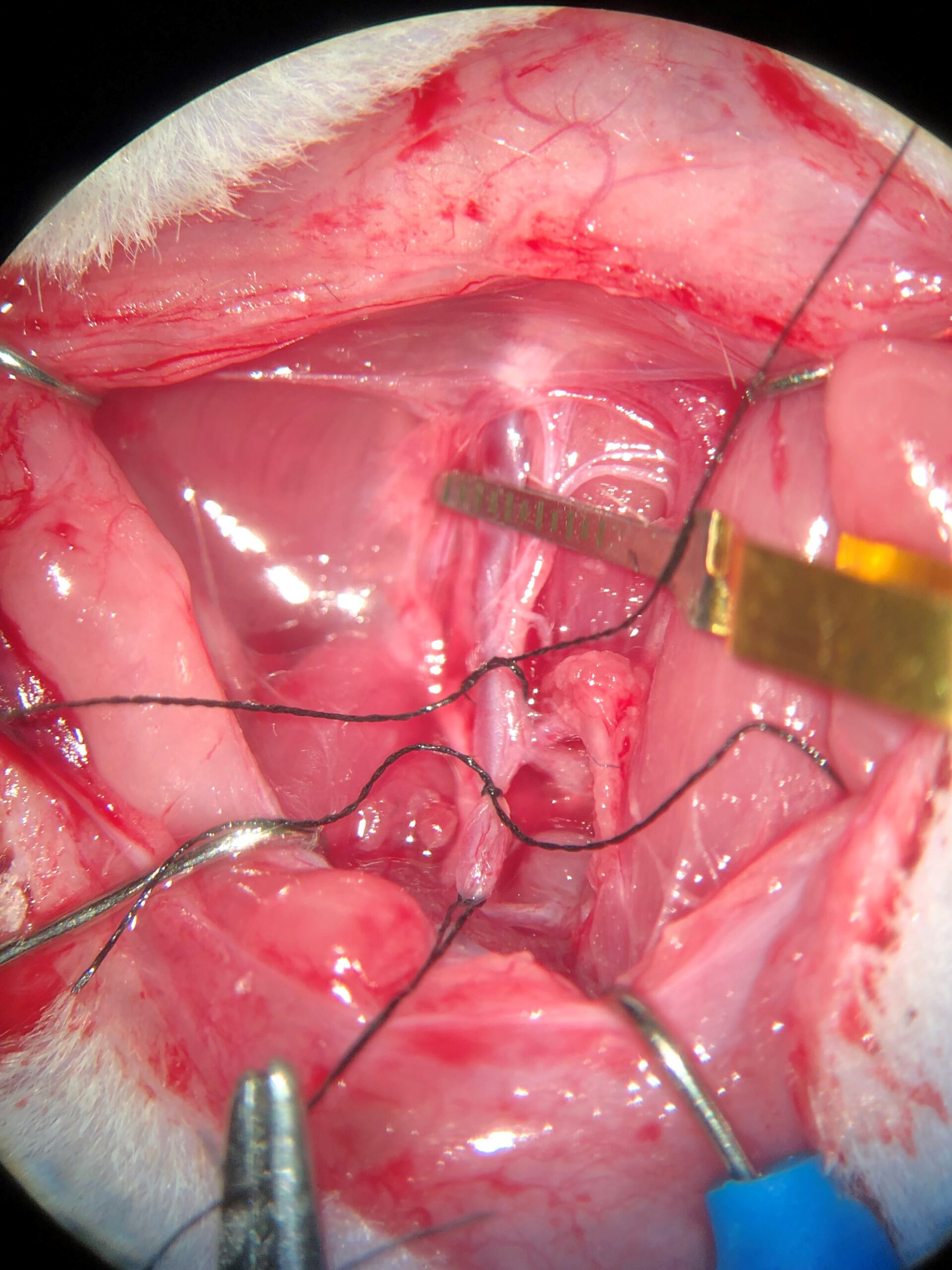
The 5-day course provides practical and theoretical training in specific mid- or high-level models of participants’ choice, e.g., myocardial infarction (MI), transverse aortic constriction (TAC), transient middle cerebral artery occlusion (tMCAO), radiotelemetry implantation, or stereotaxic surgery.
This programme offers an opportunity for researchers, veterinary professionals and technicians to enhance their skills in microsurgical techniques used in experimental settings. Developed through a collaboration between Charles and the René Remie Surgical Skills Centre (RRSSC), the training emphasises precision, safety, and adherence to rigorous scientific standards.
It is meticulously designed to combine theoretical knowledge and extensive practical application. Participants will engage in hands-on exercises that simulate practical skills, ensuring mastery of complex techniques essential for high-quality research models. The courses cater to a range of expertise levels, from foundational skills to advanced surgical skills.
Sessions are at the state-of-the-art facilities in Almere, The Netherlands, providing an optimal environment for learning and skill development. Whether focusing on basic procedures such as suturing or more sophisticated interventions like stereotaxic or myocardial infarction models, attendees will benefit from expert instruction tailored to their research needs.
This training represents a unique opportunity to elevate your technical proficiency while ensuring compliance with the scientific and ethical standards.
On the course dates page, you can find the dates and the information to register for the Crl/RRSSC courses.