

The Importance of Training in Microsurgical and Experimental Techniques in Small Rodents
Introduction
Advances in biomedical research and translational medicine increasingly depend on precise, reproducible, and ethically conducted experiments. Among these, microsurgical and experimental techniques in small rodents – particularly rats and mice – are central to developing and validating new therapies. High-quality training is essential to ensure scientific reliability and animal welfare. The René Remie Surgical Skills Centre (RRSSC) is a leading institution dedicated to equipping researchers and clinicians with these critical competencies.
Why Microsurgical Training Matters
Microsurgery involves operating on very small anatomical structures such as blood vessels, lymphatic vessels and nerves, often under high magnification. In rodent models, these procedures are foundational for:
- Studying disease mechanisms (e.g., cardiovascular (MI, TAC, Aortic banding), neurological (Stereotaxic surgery, CSF sampling, cannulation of specific brain areas), metabolic disorders, (Bile fistula, lymphatic catheterisations)
- Developing surgical models such as ischemia (tMCAO), transplantation (heart, kidney), and nerve repair
- Testing new therapeutic interventions before clinical application
Without proper training, these procedures can lead to inconsistent results, increased animal use, and compromised data quality. Structured training ensures that participants develop the fine motor skills, hand-eye coordination, and procedural confidence required for success.
The Role of Experimental Rodent Models
Rats and mice are indispensable in preclinical research due to their genetic similarity to humans, well-characterised biology, and adaptability to experimental manipulation. Techniques commonly performed include:
- Vascular catheterisation and Vascular Access Button (VAB) placement
- Organ-specific surgical models (e.g., myocardial infarction, stroke, 5/6 nephrectomy)
- Implantation of telemetry devices for physiological monitoring of blood pressure, ECG, EEG, EMG
- Survival surgeries allowing experiments with freely moving unanaesthetised animals
Mastering these techniques requires not only technical skill but also a deep understanding of good surgical practice, anaesthesia, analgesia, perioperative care, and experimental design. RRSSC training programmes integrate all of these elements into a cohesive learning experience.
RRSSC: A Comprehensive Training Environment
RRSSC provides a unique, hands-on training environment that bridges the gap between theory and practice. Its programmes are designed for researchers, PhD candidates, technicians, and clinicians who require practical expertise in rodent surgery and experimental techniques.
Key Features of RRSSC Training:
- Hands-on Learning: Participants work directly with microscopes and surgical instruments in realistic laboratory settings.
- Stepwise Skill Development: Training progresses from basic handling and suturing to advanced microsurgical procedures.
- Small Group Instruction: Personalised supervision ensures immediate feedback and skill refinement.
- Integrated Curriculum: Combines surgical techniques with experimental design, data collection, and animal welfare principles.
- Focus on Reproducibility: Emphasises standardised procedures to improve scientific reliability.
Ethical and Scientific Responsibility
Proper training is not only a technical necessity but also an ethical obligation. Poorly performed procedures can lead to unnecessary animal suffering and unreliable results, ultimately undermining scientific progress.
RRSSC training aligns with the principles of the 3Rs:
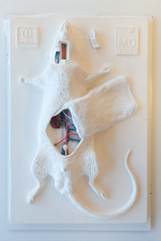
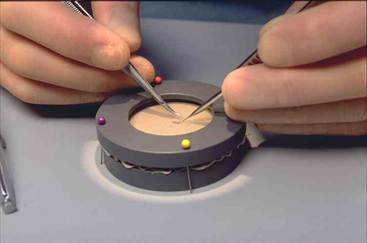
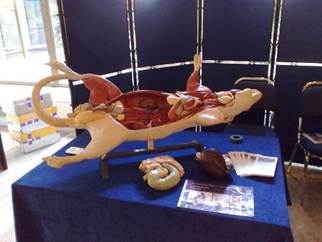
- Replacement: Understanding when alternatives to animal models are appropriate. In our training, we use the MD-PVC Rat, the Practi-Rings for hand-eye coordination training during (micro)suturing and the 4-time real-size Microsurgical Developments 3-D Anatomical model of the rat.
- Reduction: Minimising the number of animals used through better experimental design, using freely moving animal models
- Refinement: Improving techniques to reduce pain, distress, and post-procedural infections
By emphasising these principles, RRSSC ensures that participants are prepared to conduct research responsibly and in compliance with regulatory standards. At RRSSC, refinement is key, as it often leads to a reduction of animal use and fewer welfare issues and suffering.
Impact on Career Development
Training at RRSSC provides a strong foundation for careers in:
- Academic research (PhD and postdoctoral positions)
- Pharmaceutical and biotechnology industries
- Surgical specialities requiring microsurgical expertise
- Translational and preclinical research programs
Participants leave with not only technical skills but also the confidence and competence to apply them in real-world research environments.
Conclusion
In modern biomedical research, the quality of experimental outcomes is directly tied to the quality of technical execution. Training in microsurgical and experimental techniques in small rodents is therefore indispensable. RRSSC offers a comprehensive, hands-on approach that ensures participants acquire the precision, knowledge, and ethical grounding necessary to excel.
By investing in high-quality training, researchers and clinicians can contribute to more reliable science, improved animal welfare, and ultimately, better outcomes in human health.